Diabetes Awareness Month: Why Diabetic Wound Care Matters More Than Ever
Understanding the Importance of Diabetic Wound Care
November is Diabetes Awareness Month, a time to highlight the impact of diabetes on overall health — and one of the most overlooked complications is diabetic wounds. People with diabetes are at higher risk of developing foot ulcers and slow-healing wounds due to poor circulation, nerve damage (neuropathy), and weakened immune response. Without proper treatment, even small wounds can become serious infections that may lead to hospitalization or even amputation.
At Physical Medicine and Rehabilitation of Long Island (PMRLI), we specialize in comprehensive diabetic wound care to help patients heal safely and prevent long-term complications.
Why Diabetic Wounds Require Specialized Care
Diabetic wounds differ from other types of wounds because of how diabetes affects the body’s healing mechanisms. Reduced blood flow and sensation can prevent patients from noticing small injuries until they become severe. Additionally, high blood sugar levels can slow the body’s ability to repair tissue and fight infection.
That’s why early diagnosis and expert care are critical. At PMRLI, our team evaluates the wound, surrounding tissue health, and circulation to create a personalized treatment plan designed to promote faster healing and reduce the risk of recurrence.
Our Approach to Diabetic Wound Treatment
PMRLI provides evidence-based treatments and education to help patients manage both their wounds and their diabetes. Our services may include:
-
Debridement (removal of dead or infected tissue)
-
Topical medications and dressings to promote healing
-
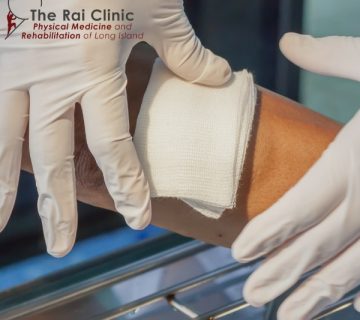
In-office wound cleaning and care
-
Referral for advanced options such as hyperbaric oxygen therapy when needed
-
Patient and family education to prevent new wounds from forming
Our team focuses on restoring function, reducing pain, and helping patients maintain their mobility and independence.
Preventing Diabetic Wounds at Home
Prevention is the best medicine when it comes to diabetic wound care. Here are some essential steps patients can take:
-
Check your feet daily for blisters, cuts, redness, or swelling
-
Keep blood sugar levels controlled
-
Wear proper footwear to prevent friction or injury
-
Moisturize your skin (but avoid applying lotion between toes)
-
Seek immediate care for any wound that does not begin to heal within a few days
PMRLI’s providers work closely with each patient to educate and empower them in maintaining long-term wound health.
Partnering With You for Better Outcomes
Diabetic wound care is more than just treating a sore — it’s about protecting your health, mobility, and quality of life. During Diabetes Awareness Month, PMRLI encourages everyone living with diabetes to schedule regular foot exams and address any wounds early.
If you or a loved one is experiencing a slow-healing wound or diabetic ulcer, don’t wait.
Contact Physical Medicine and Rehabilitation of Long Island in Patchogue today to schedule a comprehensive wound care evaluation.