
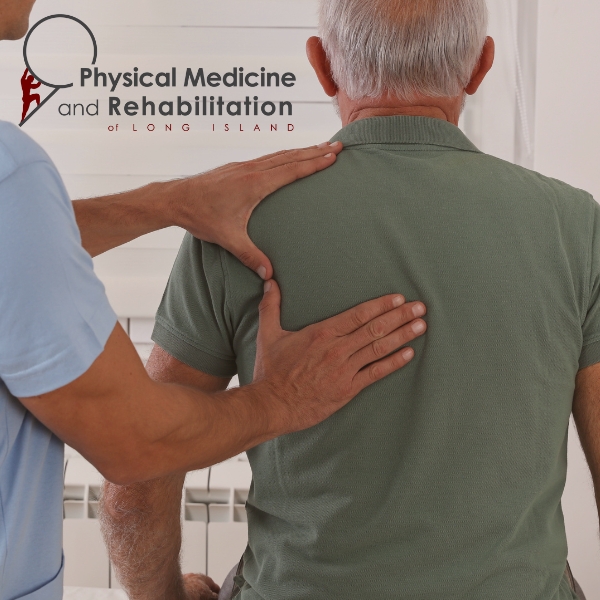
Physiatry, often called physical medicine and rehabilitation (PM&R), is a medical specialty dedicated to restoring function, relieving pain, and helping people adapt to life changes after illness, injury, or disabling conditions. The specialty is rooted in a whole-person approach, focusing not only on symptoms but also on the challenges to your physical functioning that come with medical conditions, accidents, or chronic disease.
A physiatrist is a medical doctor trained in this field. Unlike surgeons, physiatrists work nonsurgically, drawing on advanced knowledge of the nervous system, musculoskeletal system, and rehabilitation therapies. Their role is to diagnose conditions affecting movement and strength, design a treatment plan tailored to the patient, and collaborate with other providers to ensure comprehensive treatment and appropriate care.
What Physiatrists Do
When you see a physiatrist, the process often begins with a physical exam and a review of your medical history. The goal is to understand how your condition affects not only the body but also daily life. A patient with back pain, for instance, may struggle with both mobility and the ability to perform work or home activities. By identifying how pain or impairment impacts overall function, the physiatrist’s role extends beyond simply providing symptom relief.
Physiatrists may order diagnostic tests such as electromyography (EMG), nerve conduction studies, or imaging like x-rays to evaluate muscle weakness, nerve health, or structural problems. Once the evaluation is complete, they design a treatment plan that may include physical therapy, pain medicine, occupational therapy, or other rehabilitation approaches.
Conditions Treated by Physiatrists
The scope of physiatry is broad. Physiatrists treat their patients for conditions that cause pain, restrict movement, or limit independence. Common concerns include:
- Musculoskeletal DisordersArthritis, sports injuries, and chronic back pain
- Chronic Pain SyndromesThose that interfere with work, recreation, or quality of life
- Disabling conditionsThose that require long-term rehabilitation or adaptation
In each case, the focus is on restoring independence and improving quality of life rather than relying on surgery. If surgery does become necessary, physiatrists may refer patients to orthopedic surgeons, neurologists, or other specialists while continuing to support recovery.
What a Physiatry Treatment Plan Looks Like
A comprehensive treatment plan in physiatry is highly individualized. After diagnosis, the physiatrist considers medical needs, lifestyle, and personal goals. A plan may include structured therapy to rebuild strength, targeted pain management strategies to relieve symptoms, and counseling on lifestyle adjustments to prevent further impairment.
Because recovery is rarely a straight path, follow-up visits are common. During these, the physiatrist can adjust the plan, coordinate with physical therapists or occupational therapists, and provide additional resources. By working in this way, physiatrists treat their patients not just for today’s challenges but also for future needs.
Finding the Right Care in Physiatry
What makes physiatry unique is its focus on real-world functioning. The specialty is less about managing disease in isolation and more about addressing how a condition changes your daily life. For some patients, this might mean managing back pain so they can return to work. For others, it could involve long-term rehabilitation after a spinal cord injury or stroke, helping them adapt to life changes and build new independence.
If you are searching to find a doctor who specializes in physiatry, PMR of Long Island provides patient care that emphasizes functional recovery and independence. Their board-certified physiatrists collaborate with physical therapists, neurologists, and other providers to deliver appropriate care for a wide range of conditions affecting the nervous system, muscles, and joints.
Contact PMR of Long Island today to schedule an appointment and learn how a physiatrist can help you relieve pain, overcome disabling conditions, and move forward with confidence.

