What Is PM&R Medicine? Understanding Physical Medicine and Rehabilitation
Physical medicine and rehabilitation, also known as PM&R medicine or physiatry, is a specialized branch of healthcare focused on helping individuals recover from physical impairments and chronic conditions. This article explores the depth and scope of this vital medical specialty, from who practices it to how it’s applied in everyday patient care.
If you’re looking for expert care in rehabilitation or need guidance on treatment for a musculoskeletal condition, visit PMRLI to connect with a board-certified physiatrist.
What Is Physical Medicine and Rehabilitation?
Physical medicine and rehabilitation (PM&R) is a field of medicine that aims to enhance and restore functional ability and quality of life to those with physical impairments or disabilities. Also known as physiatry, it is one of the core medical specialties recognized in the United States. PM&R physicians—also called physiatrists—diagnose and treat a wide range of musculoskeletal, neurological, and chronic pain conditions using a nonsurgical treatment approach.
The field of PM&R includes care for patients with spinal cord injuries, brain injuries, stroke, arthritis, multiple sclerosis, back pain, and more. PM&R physicians focus on the whole person, not just the problem area, and often lead a multidisciplinary rehabilitation team that may include physical therapists, occupational therapists, nurses, psychologists, and social workers.
Who Are Physiatrists and What Do They Do?
In the context of PM&R medicine, the goal is to help patients restore function Physiatrists are medical doctors who have completed four years of residency training in PM&R after medical school. A pm&r physician is trained to assess and improve physical function through a combination of therapy, medications, and techniques like injections or nerve conduction studies.
Their goal is to help patients restore function, reduce pain, and regain independence in their daily activities. Physiatrists may work in rehabilitation centers, hospitals, or outpatient clinics and frequently coordinate care with surgeons, neurologists, and primary care doctors.
What Conditions Do PM&R Doctors Treat?
These conditions fall under the broad scope of physical medicine and rehabilitation, a field that emphasizes whole-person recovery. Physical medicine and rehabilitation doctors treat a wide variety of medical conditions, including spinal cord and brain injuries, carpal tunnel syndrome, sports and orthopedic injuries, spasticity, chronic back pain, and general musculoskeletal dysfunction. These physicians often diagnose and treat patients dealing with acute or chronic pain, traumatic injuries, nerve and muscle issues, and complex rehabilitation needs following surgery or serious illness.
How Is Physiatry Different from Orthopedic Surgery?
In PM&R medicine, the focus is on nonsurgical treatment and improving long-term function while orthopedic surgeons perform operations to repair bones and joints, physiatrists focus on nonsurgical treatment and the long-term recovery process. They often step in when surgery isn’t needed or after surgery to help patients return to their prior level of function.
Using physical medicine and rehabilitation techniques like therapeutic exercises, injection therapy, bracing, and functional training, they address both the symptoms and root causes of dysfunction.
What Happens During a Rehabilitation Program?
A typical rehabilitation program begins with an evaluation of the patient’s medical history, current limitations, and personal goals. From there, the physiatrist develops a personalized treatment plan involving one or more of the following: physical therapy for strength and mobility, occupational therapy for skills related to work and daily living, vocational training or support, and medications or therapeutic injections.
Programs are usually managed by a rehabilitation team, ensuring all aspects of recovery are addressed. This could include managing bowel and bladder function, pain control, mobility training, and psychosocial support. 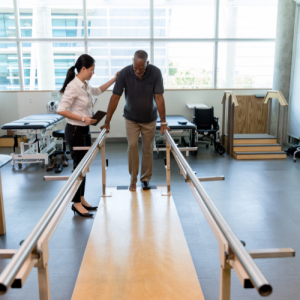
What Is the Role of the American Board of Physical Medicine?
The American Board of Physical Medicine and Rehabilitation, part of the American Board of Medical Specialties, certifies physicians who have completed all training in this field and passed rigorous exams. This credential ensures that a pm&r doctor meets high standards of education and practice.
Board-certified physiatrists often sub-specialize in areas like pediatric rehabilitation medicine, neuromuscular medicine, spinal cord injury medicine, or brain injury medicine to better address complex patient needs.
What Types of Injuries and Disorders Are Commonly Treated?
A key focus in PM&R is the treatment of injuries that impact movement, sensation, or function. These may include sports injuries and overuse syndromes, traumatic brain injury, spinal cord compression or trauma, and post-operative rehab after joint replacement. PM&R is also essential for managing developmental conditions in children through pediatric rehabilitation, and for addressing complications of neurological diseases in adults.
How Do Injections Help in Physical Medicine?
Injection therapy plays a vital role in the toolbox of a physiatrist. It is often used to diagnose or relieve symptoms of musculoskeletal and neuromuscular problems. Examples include epidural steroid injections for back pain, botulinum toxin for spasticity, and joint injections for pain relief and inflammation control.
These nonsurgical approaches can prevent or delay the need for more invasive procedures while enhancing participation in therapy.
What Makes the Rehabilitation Team Unique?
One of the hallmarks of physical medicine and rehabilitation is the use of a collaborative, multidisciplinary approach. The rehabilitation team may consist of physical therapists, occupational therapists, rehabilitation physicians (physiatrists), nurses, case managers, and mental health professionals. Together, they focus on helping patients restore functional ability and quality of life by supporting all dimensions of recovery—physical, emotional, and social.
Where Is Rehabilitation Care Delivered?
Rehabilitation in the United States is delivered across various settings depending on patient needs. These include inpatient rehabilitation units for intensive, 24-hour support, outpatient clinics for follow-up care and long-term therapy, and specialty centers for brain or spinal cord injury. Each setting provides a structured environment to help individuals regain independence and improve their ability and quality of life.
Why Should You Choose PM&R Medicine?
Patients often turn to PM&R medicine when they face limitations from injury, surgery, or illness and want a treatment plan focused on regaining strength and ability—not just managing symptoms. The field aims to enhance and restore your life, emphasizing whole person care, goal-setting, and collaboration.
Choosing a physical medicine expert means getting access to advanced diagnostics, pain medicine, sports medicine, and rehab strategies that evolve as your needs change. If you’re looking for expert care in rehabilitation or need guidance on treatment for a musculoskeletal condition, visit PMRLI to connect with a board-certified physiatrist.