
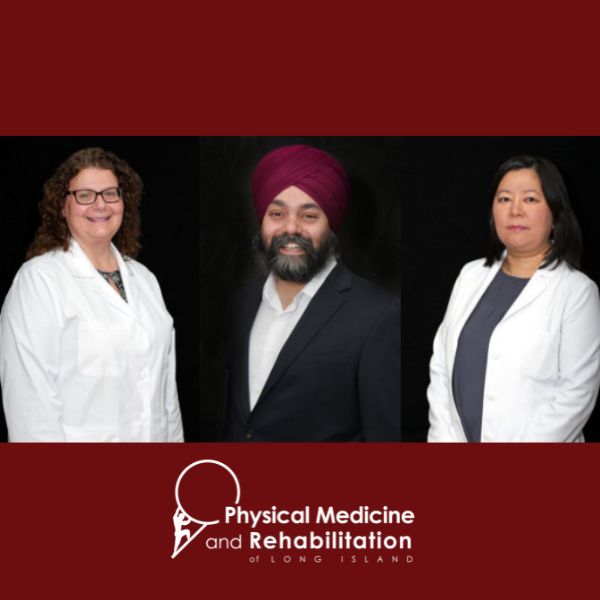
Physiatry — formally known as Physical Medicine and Rehabilitation, or PM&R — is a medical specialty focused entirely on restoring function, reducing pain, and improving quality of life without surgery. Physiatrists are licensed physicians who specialize in diagnosing and treating conditions that affect how you move, from sports injuries and chronic pain to stroke recovery and spinal cord injuries. At Physical Medicine and Rehabilitation of Long Island (The Rai Clinic), our physiatrists serve patients across Suffolk County with a comprehensive, patient-centered approach to rehabilitation medicine.
What Is a Physiatrist?
A physiatrist is a fully licensed medical doctor (MD or DO) who completed a residency in Physical Medicine and Rehabilitation after medical school. Despite being less well-known than surgeons or primary care physicians, physiatrists are specialists in the truest sense — trained specifically to evaluate and treat the full spectrum of musculoskeletal, neurological, and chronic pain conditions.
The defining characteristic of physiatry is its non-surgical approach. Where an orthopedic surgeon’s solution may ultimately be an operation, a physiatrist’s first goal is always to restore function through conservative, evidence-based treatment. This makes physiatry especially valuable for patients who want to avoid surgery, those who are not surgical candidates, and those recovering from injury, illness, or surgery.
Physiatrists often serve as the quarterback of a patient’s care team, coordinating with physical therapists, occupational therapists, speech therapists, prosthetists, wound care nurses, and other specialists to ensure every aspect of recovery is addressed.
What Conditions Does a Physiatrist Treat?
Chronic Pain & Pain Management
- Chronic pain conditions affecting the back, neck, joints, and extremities
- Complex regional pain syndrome (CRPS)
- Neuropathic pain
Limb Loss & Prosthetic Rehabilitation
- Amputee rehabilitation and functional training
- Residual limb (stump) pain management
- Prosthetic fitting and K-level assessments
Musculoskeletal & Orthopedic Conditions
- Shoulder injuries, including rotator cuff tears, labrum tears, and SLAP tears
- Back pain and neck pain, including cervical and lumbar spine conditions
- Arthritis and joint pain
- Sports injuries and overuse conditions
- Tendonitis, bursitis, and soft tissue injuries
Wound Care
- Diabetic wound care and pressure ulcer treatment
- Wound debridement and advanced wound therapies
- Post-surgical wound management
Neurological & Rehabilitation Conditions
- Stroke rehabilitation and post-stroke recovery
- Spinal cord injuries
- Brain injuries
- Spasticity management
- Drop foot and other neuromotor conditions
How Is Physiatry Different From Other Specialties?
One of the most common questions patients have is how physiatry compares to other types of doctors. Physiatrists focus on function and recovery without surgery, while other specialists may focus on surgical repair or individual organ systems. Understanding which specialist is right for your condition can save you time, unnecessary procedures, and out-of-pocket costs. If your condition could benefit from non-surgical treatment, rehabilitation, pain management, or functional restoration, a physiatrist is often the best first call.
What Happens at Your First Physiatry Appointment?
Many patients are unfamiliar with what a visit to a physiatrist involves. Here is what to expect when you come to The Rai Clinic for the first time:
- Comprehensive evaluation — Your physiatrist will review your medical history, current symptoms, and prior treatments. Expect a full physical and functional examination focused on how your condition is affecting movement and quality of life.
- Diagnostic workup — Depending on your condition, your physiatrist may order imaging, recommend electromyography (EMG) testing, or review existing records from your referring provider.
- Personalized treatment plan — You will leave your first appointment with a clear plan. This may include physical therapy, injection therapy, pain management, orthotics, wound care, or a combination of these services depending on your needs.
- Ongoing care coordination — Physiatrists take a team approach. Your physiatrist will coordinate with other providers — PTs, OTs, wound care nurses, prosthetists — to ensure your care is cohesive and comprehensive.

Why See a Physiatrist at The Rai Clinic in Suffolk County?
Physical Medicine and Rehabilitation of Long Island — The Rai Clinic — is one of the most comprehensive physiatry practices on Long Island. Founded to serve the needs of the South Shore community, we bring together a full spectrum of rehabilitation medicine services under one roof, with locations serving Bay Shore, West Islip, and surrounding Suffolk County communities.
Frequently Asked Questions About Physiatry
Is a physiatrist a real doctor?
Yes. Physiatrists are fully licensed physicians — either MDs or DOs — who completed four years of medical school and a four-year residency in Physical Medicine and Rehabilitation. Many also pursue additional fellowship training in subspecialties such as sports medicine, pain management, or spinal cord injury.
Does insurance cover physiatry?
Most major insurance plans cover physiatry services, including evaluation and management visits, physical therapy, EMG testing, and many injection therapies. The Rai Clinic accepts most major insurance plans. Call our office to verify your coverage before your first visit.
Do I need a referral to see a physiatrist?
In many cases, no. You can often schedule directly with a physiatrist. However, some insurance plans do require a referral from your primary care provider. We recommend checking with your insurance plan before your appointment. Our team can also help verify your benefits — call us at (631) 300-0797.
Is a physiatrist a real doctor?
Yes. Physiatrists are fully licensed physicians — either MDs or DOs — who completed four years of medical school and a four-year residency in Physical Medicine and Rehabilitation. Many also pursue additional fellowship training in subspecialties such as sports medicine, pain management, or spinal cord injury.
Can a physiatrist help with chronic pain?
Yes — chronic pain management is one of the core areas of physiatry. Physiatrists use a combination of interventional therapies, injection treatments, physical rehabilitation, and medication management to address the root causes of chronic pain rather than simply masking symptoms.
What is the difference between physiatry and physical therapy?
A physiatrist is a physician who diagnoses conditions, develops treatment plans, orders tests, prescribes medications, and may perform injection procedures. Physical therapists carry out hands-on rehabilitation under a physiatrist’s or physician’s plan of care. At The Rai Clinic, physiatrists and physical therapists work together as part of the same team.
What is the difference between PM&R and physiatry?
They refer to the same specialty. PM&R stands for Physical Medicine and Rehabilitation. Physicians who practice PM&R are called physiatrists. The terms are interchangeable, and you may see both used on our website and materials.
Schedule an Appointment
If you are dealing with pain, a movement disorder, or a condition that is limiting your quality of life, The Rai Clinic’s physiatrists in Suffolk County are here to help. We accept most major insurance plans and serve patients throughout Bay Shore, West Islip, and surrounding communities. Request an appointment online or call us at (631) 300-0797.